
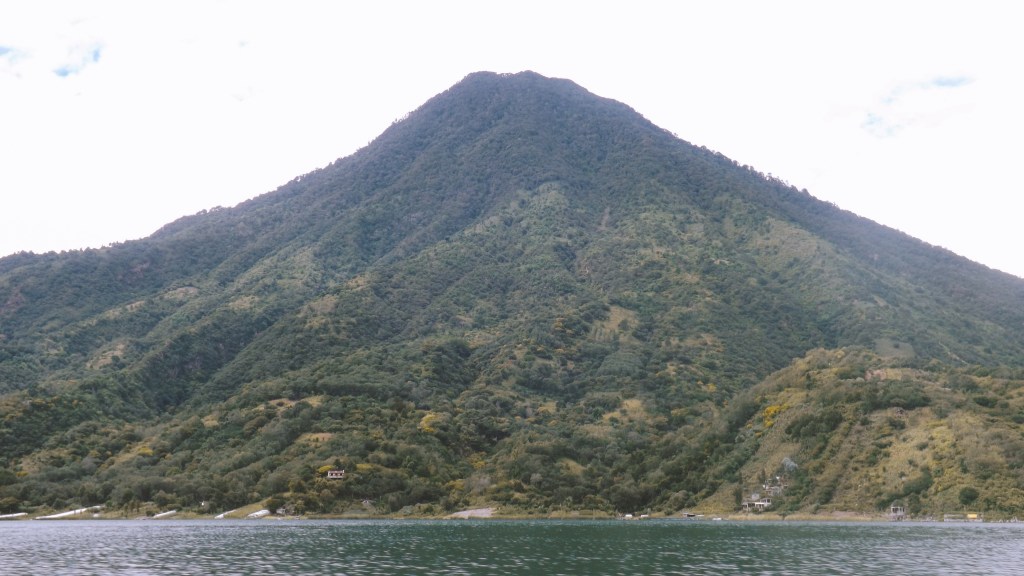
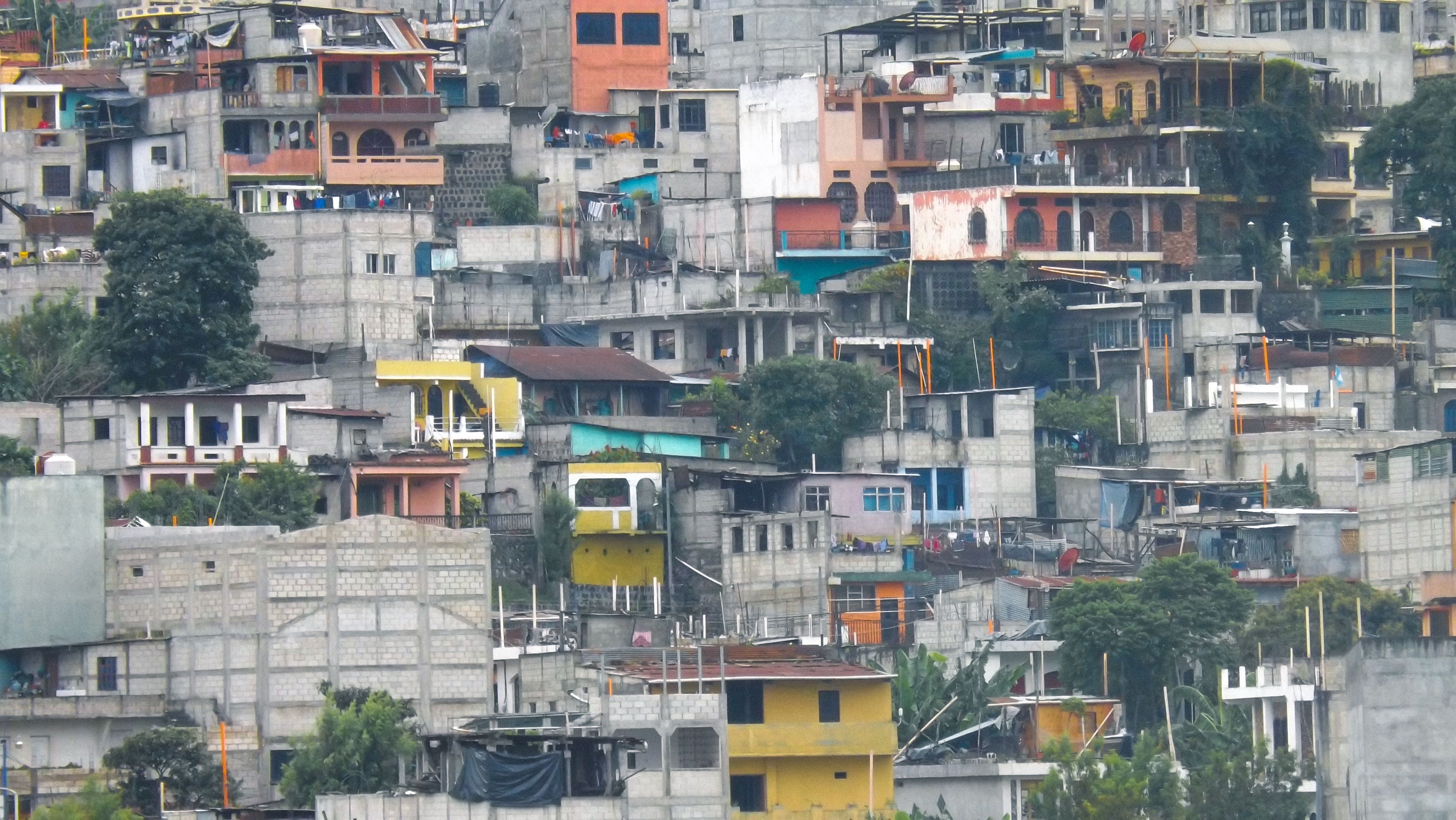
On the 24th of October 2023, I made a life-changing decision to board a red-eye flight bound for Guatemala City. This decision had been brewing in my mind for quite some time, but I found myself grappling with it for even longer. While I had visited Guatemala in the past, my age and maturity level prevented me from truly recognizing my own privilege and naivety to the real struggles of the region. The catalyst for this journey was the discovery of an organization called “The Friends of San Lucas,” a nonprofit based in Minnesota dedicated to supporting the ongoing development of seven vital programs situated in San Lucas Toliman, Guatemala. These programs directly impact the lives of over 25,000 individuals in the city and its surrounding communities.
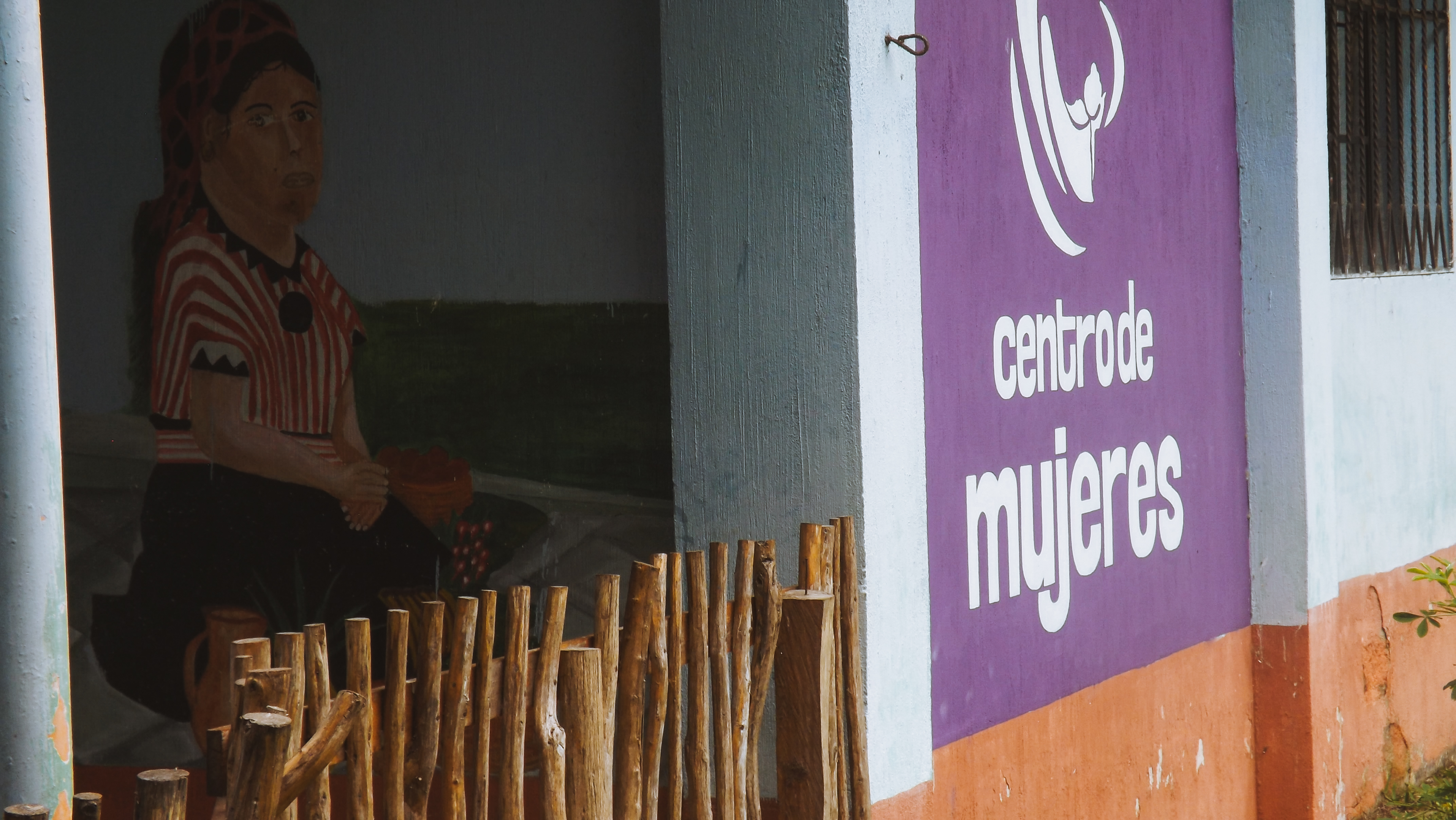
These initiatives encompass a wide range of areas, including a women’s center, education, healthcare, coffee production, charitable activities, construction, and hosting visitors. Their overarching goal is to empower the local population by providing resources, support, and financial aid where it’s needed most. Interestingly, the logistical aspects, fundraising efforts, and coordination all take place in the United States, while a Catholic mission in Guatemala serves the spiritual needs of the community.
For me, an Indigenous individual, the prospect of collaborating with a Catholic mission raised complex feelings. The historical legacy of Indian boarding schools, many of which were administered by Catholic institutions, still reverberates through Native communities. My adoptive father’s childhood was significantly shaped by his attendance at an Indian boarding school run by Catholics, and therefor so were the lives of myself and my siblings. Understandably, I approached this opportunity with trepidation, seeking guidance from my best friend who had been living and working with the mission for over a year.
My research and discussions led me to a reassuring conclusion: that regardless of our backgrounds, beliefs, or political affiliations, we could all come together with a shared purpose. Quoting directly from the mission’s statement, The Friends of San Lucas is “a 501(c)(3) nonprofit organization dedicated to generating support for the Mission in San Lucas Tolimán, Guatemala. The staff, board, and supporters are an eclectic group, motivated in a variety of ways. Some of us are lifelong followers of Christ, dedicated to bringing the kingdom of God closer in all we do. Some of us are deeply motivated by the work of the Catholic Church and its commitment to creating a more just world. Some of us have been touched by the work of the Mission and by the people of San Lucas and have committed ourselves to working with them. Whatever our motivation, we are united in this: we believe in this work and are dedicated to its success.”
While these words provided some comfort on paper, it wasn’t until I set foot in Guatemala that I truly comprehended the impact of the mission’s work. It was an immensely fulfilling experience, and it made me question any lingering doubts about ulterior motives. What I appreciated most was that rather than coming into this region and deciding what the people need, the mission enlists and gives voices to leaders of their community, allowing them the decision making power to dictate and articulate their needs better than any outsider could.
The year 2023 had been a challenging one, marked by global conflicts, the ongoing pandemic, economic recessions, and personal struggles that tested the resilience of many. It had taken a toll on my hope and faith in humanity. The constant stream of distressing images and news, from children being caught in the crossfire of wars to the sight of impoverished youth suffering on the streets, had left me feeling desensitized to the world’s real suffering. I felt powerless, as if my voice could never make a difference in the face of such atrocities.
However, a close friend made a compelling point: that this sense of hopelessness is precisely what those in power want us to feel. They thrive on our silence, apathy, and ignorance, which allow inhumane and barbaric actions to persist unchecked. The path to change lies in taking action, organizing, protesting, and raising awareness. It is through these actions that oppressors are exposed, and the crimes committed are brought to light, giving a voice to the voiceless.
While donations can be helpful in certain cases, the opacity of where the money ultimately goes often leaves donors uncertain. I, too, didn’t possess a substantial disposable income. Posting on social media, while valuable for raising awareness, can feel like shouting into an echo chamber of like-minded individuals due to the limitations of algorithms.
My trip to Guatemala allowed me to directly witness the impact of my efforts and contributions. Being present, listening, and learning directly from the people illuminated their struggles and the difference that could be made through hands-on involvement. As a result, I am now more hopeful and optimistic about the future of humanity.
Indigenous communities in Guatemala continue to feel the effects of colonization. While slavery was officially abolished in Guatemala in the 19th century, there are still issues related to forced labor and exploitation in the region, as well as in many parts of the world. These issues often manifest in various forms, including low wages, poor working conditions, and human trafficking. Many people, particularly in vulnerable communities, continue to face exploitation, forced assimilation, and economic hardship.
“Forced assimilation” refers to the practice of compelling or coercing individuals or groups to adopt the culture, language, or customs of a dominant or ruling group. It often involves the suppression of one’s own culture and identity. This practice has been used historically as a means of control, often resulting in the loss of cultural diversity and heritage. Guatemala is a country with rich cultural diversity, and it’s home to over 20 indigenous languages that are still spoken by many people. This linguistic diversity is a testament to the country’s cultural heritage and the resilience of indigenous communities in preserving their languages and traditions. It’s important to celebrate and protect this linguistic diversity as it plays a vital role in maintaining the cultural identity and heritage of these communities. What a blessing to be able to witness such rich and vibrant culture, and hear the these resilient languages that have endured for millennia despite the challenges of colonization and conquest.
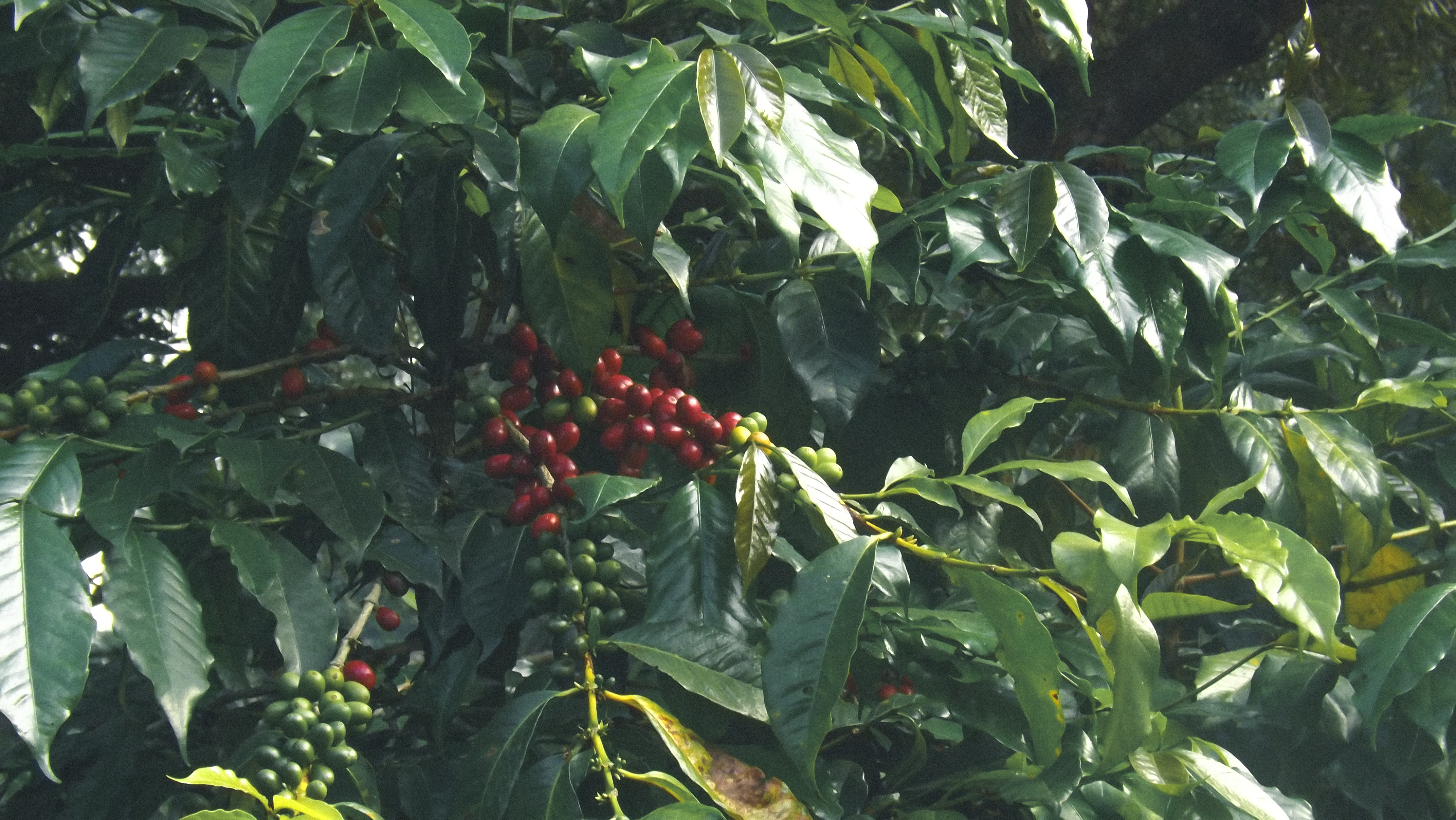
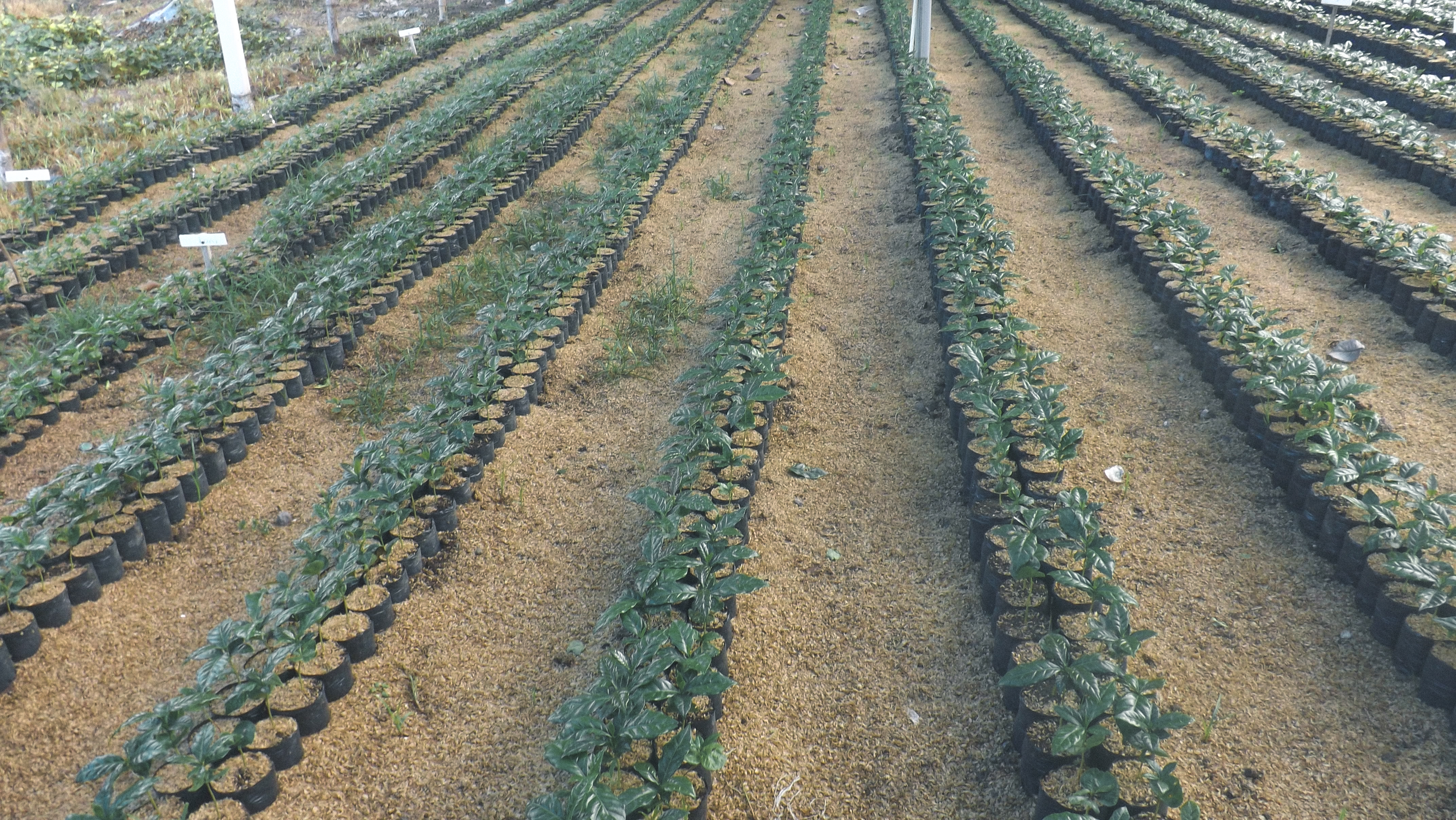
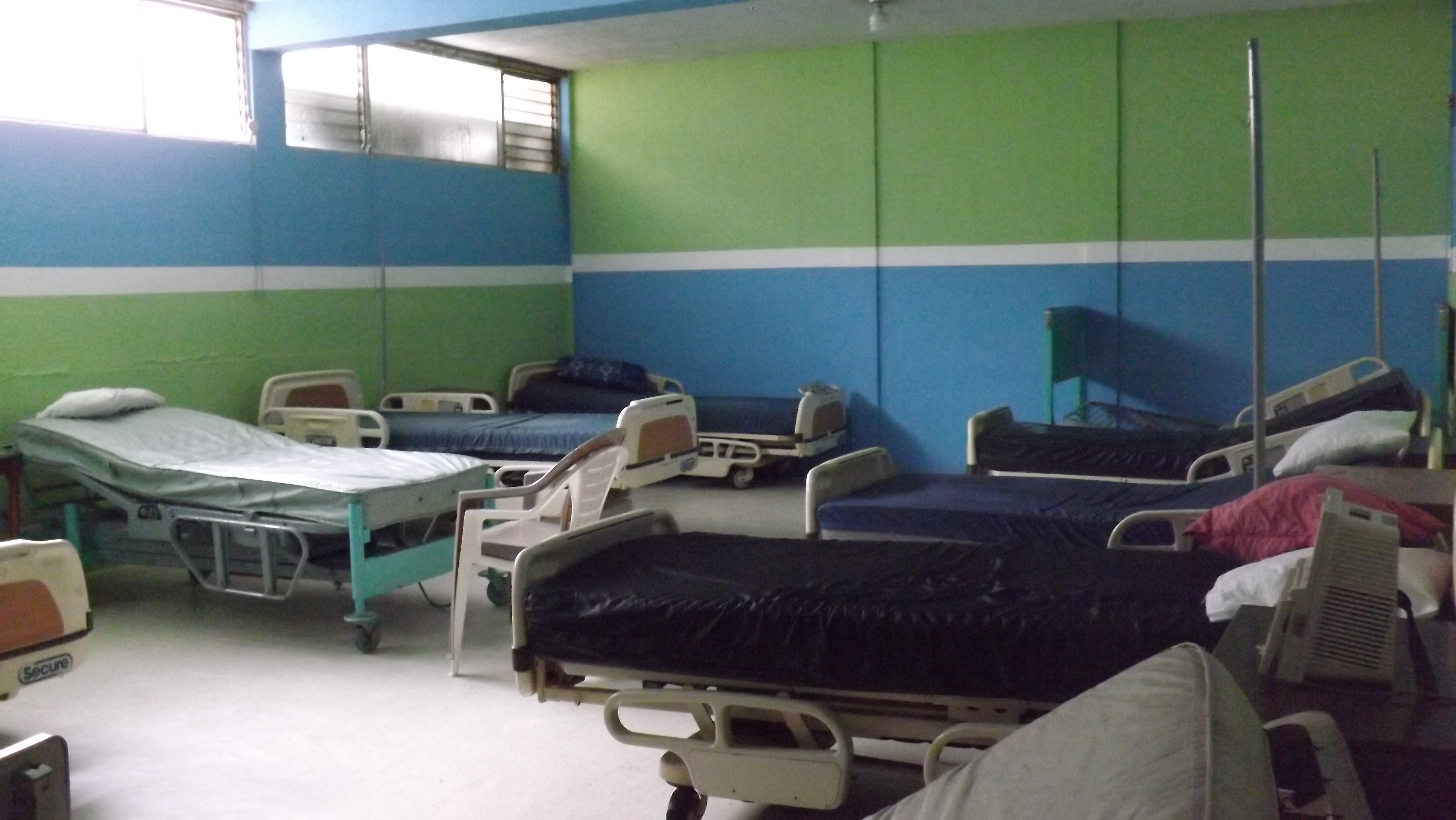
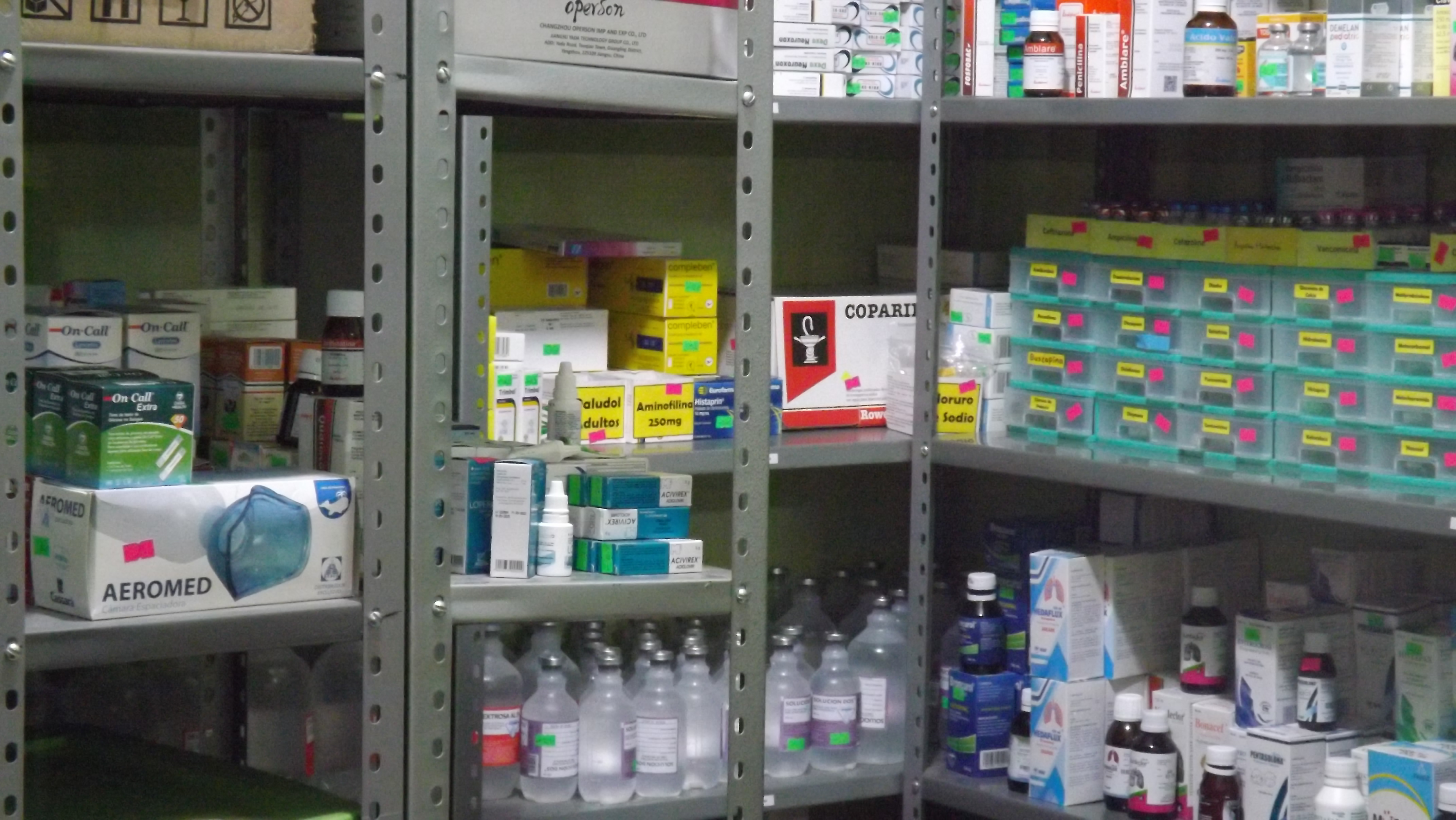
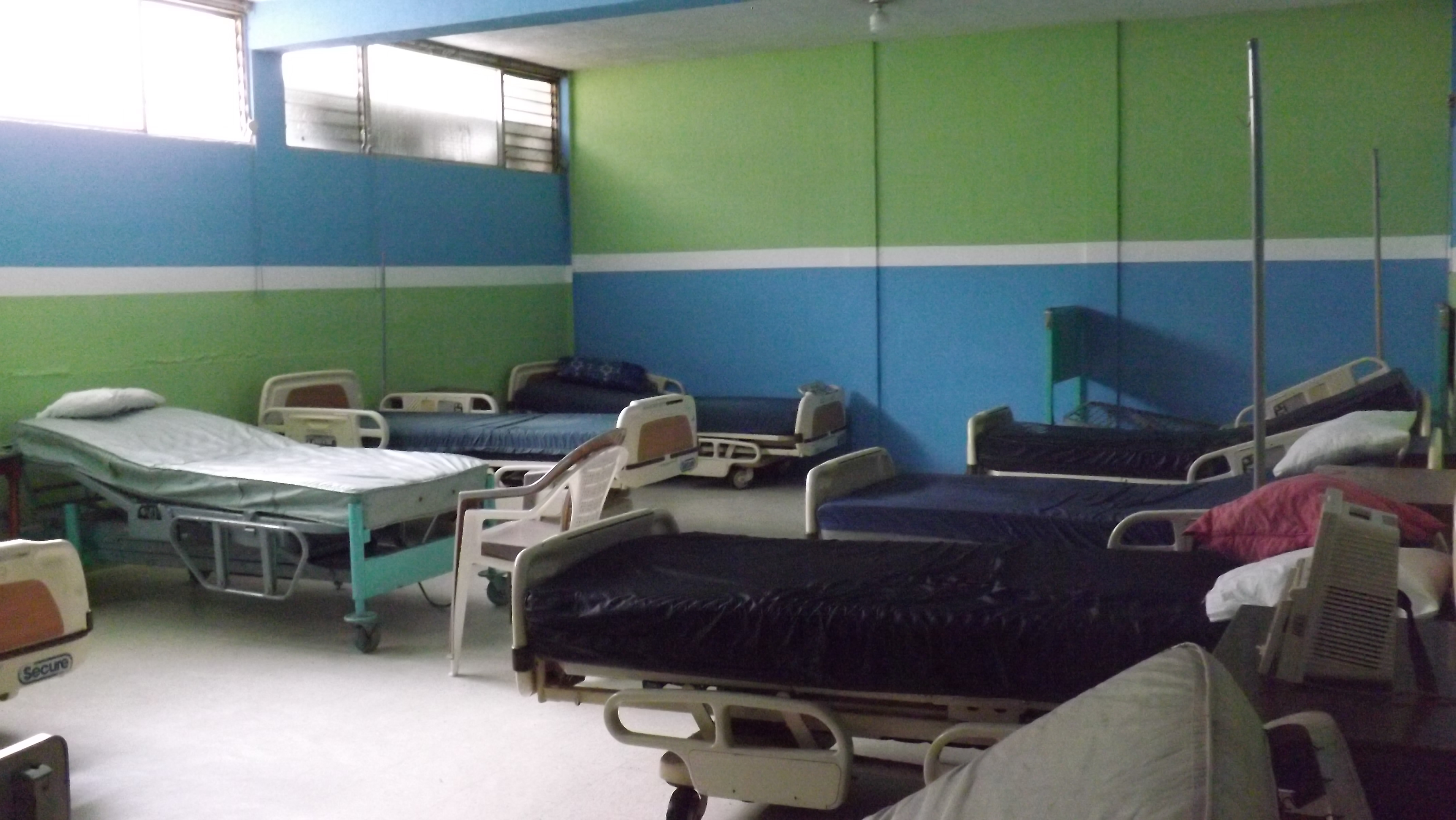
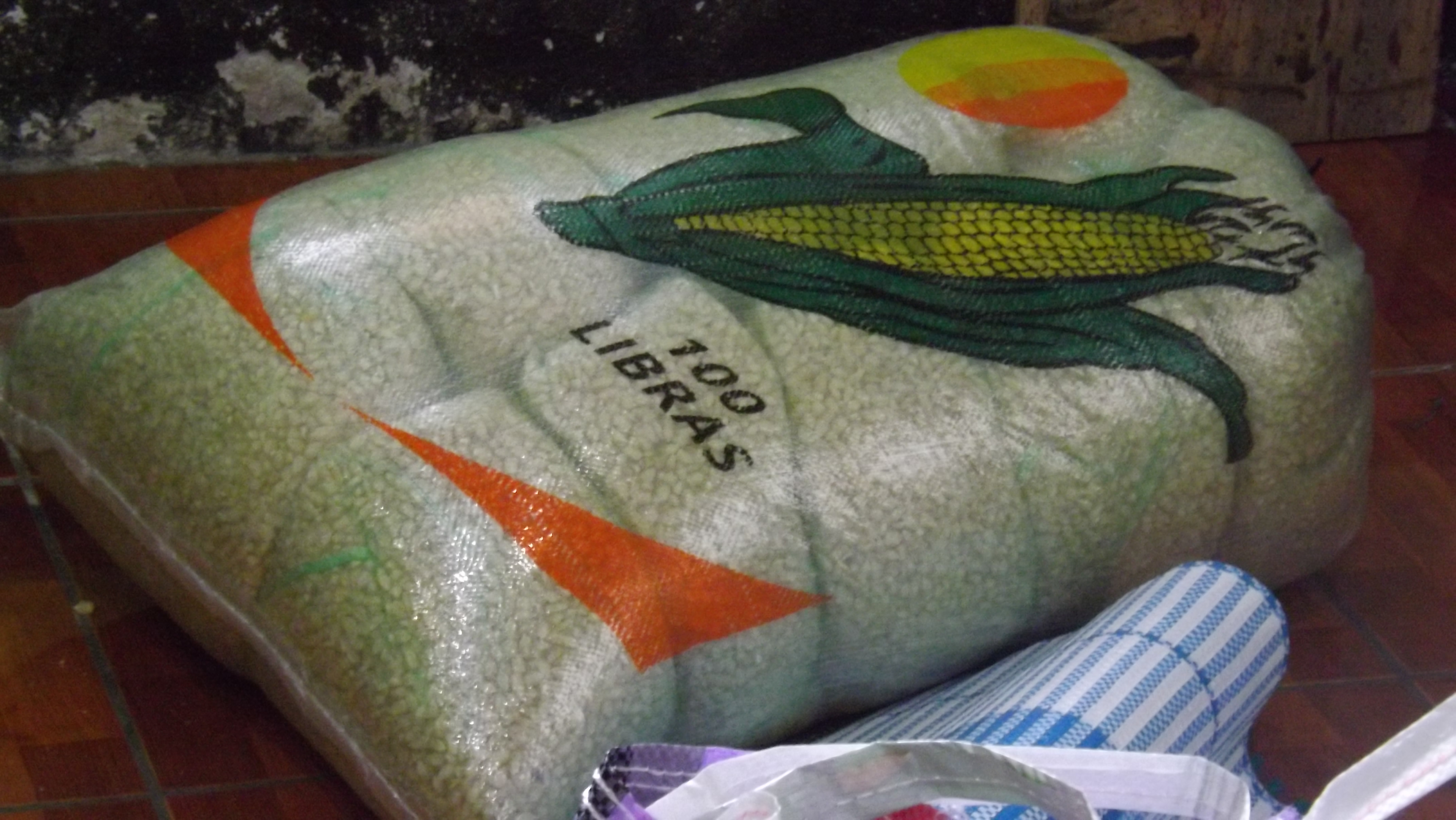
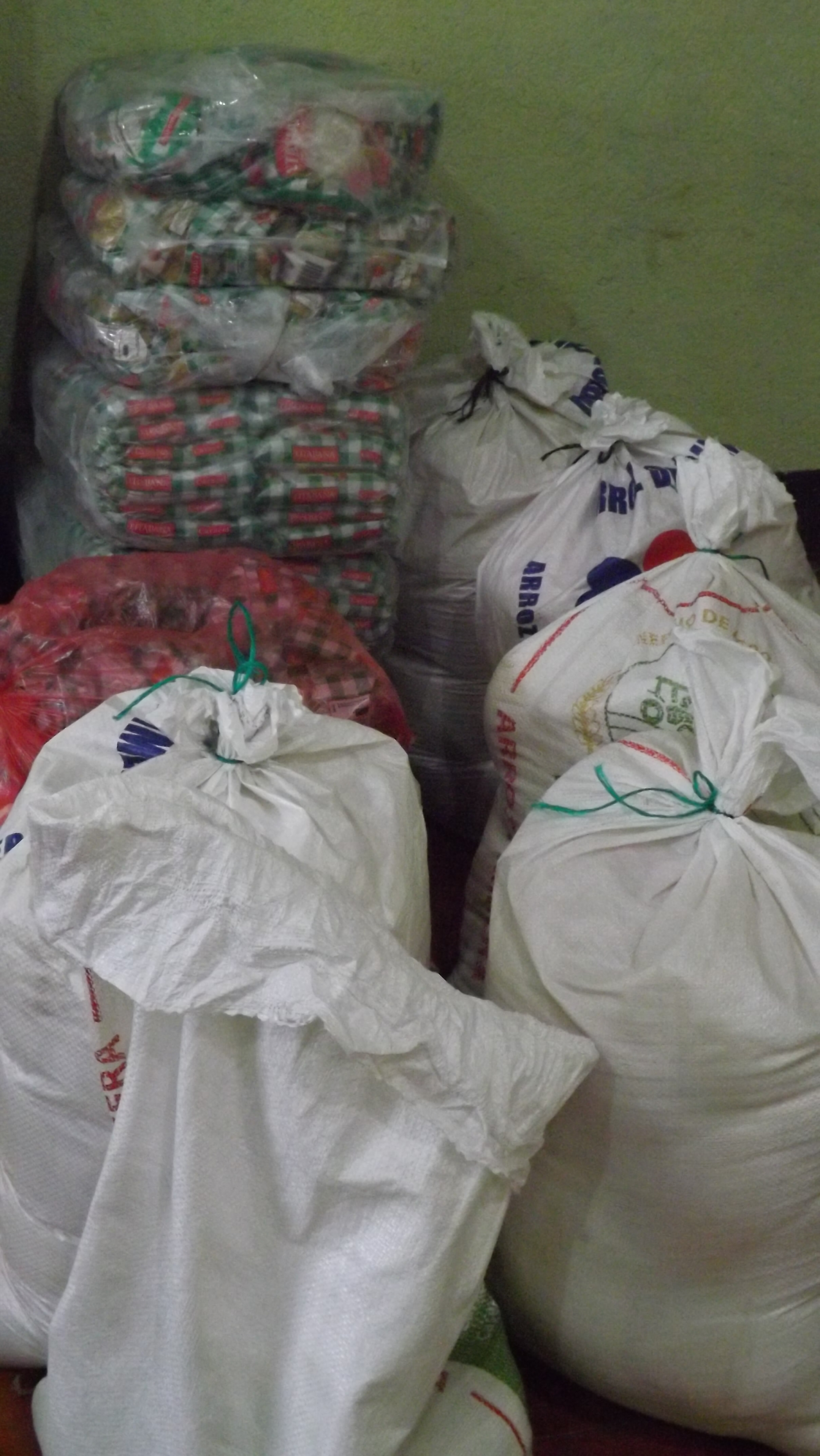
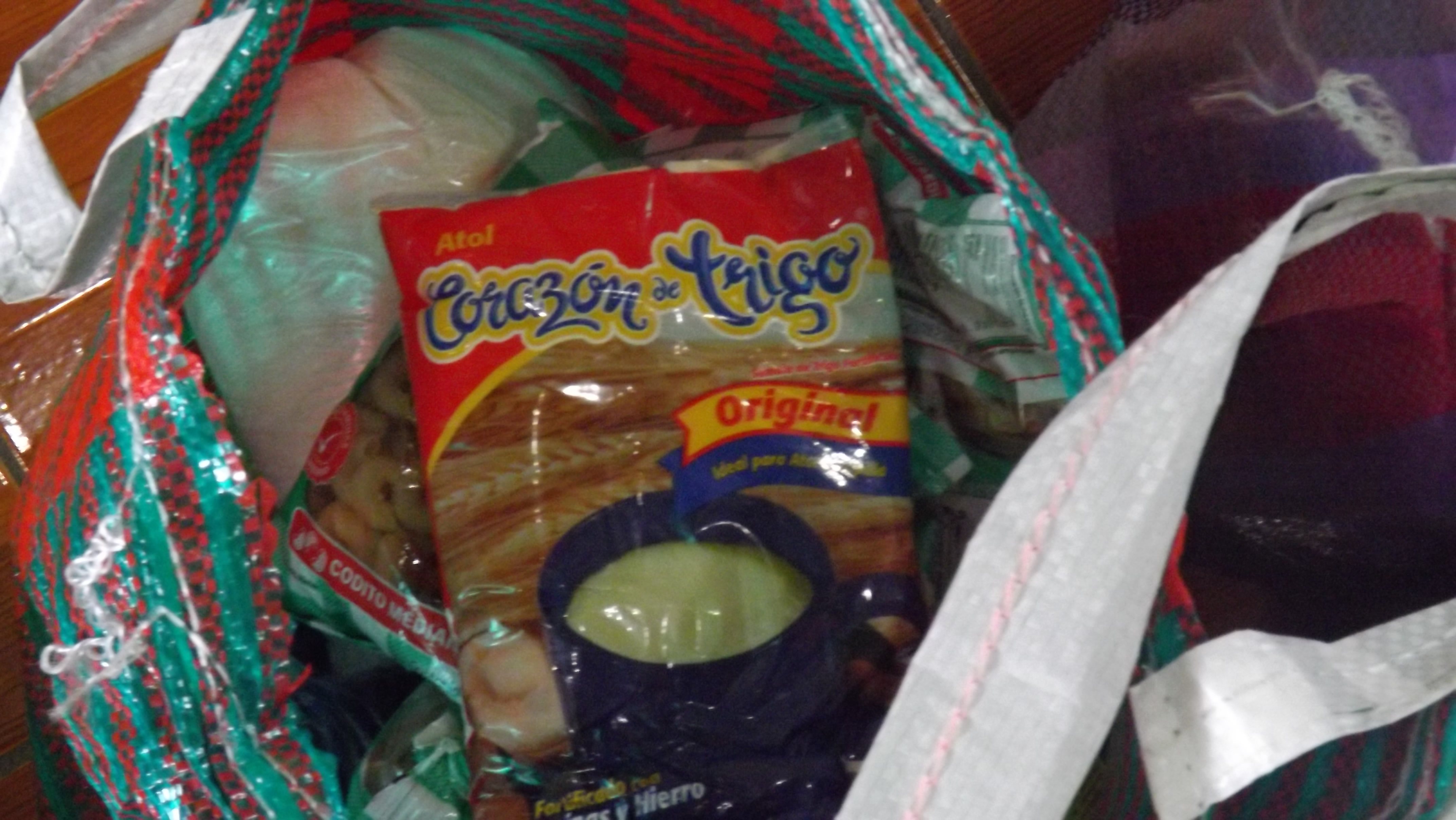
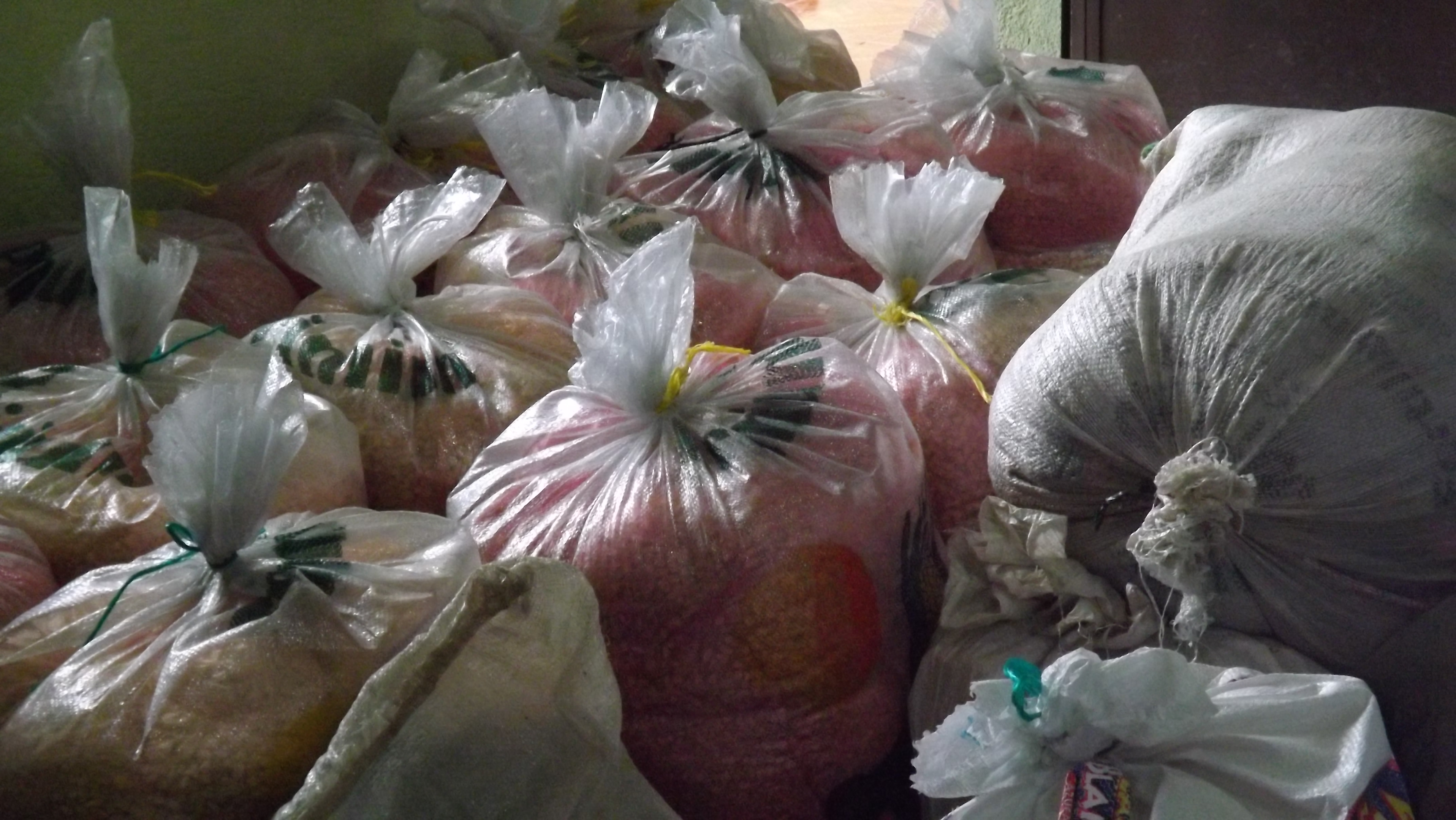
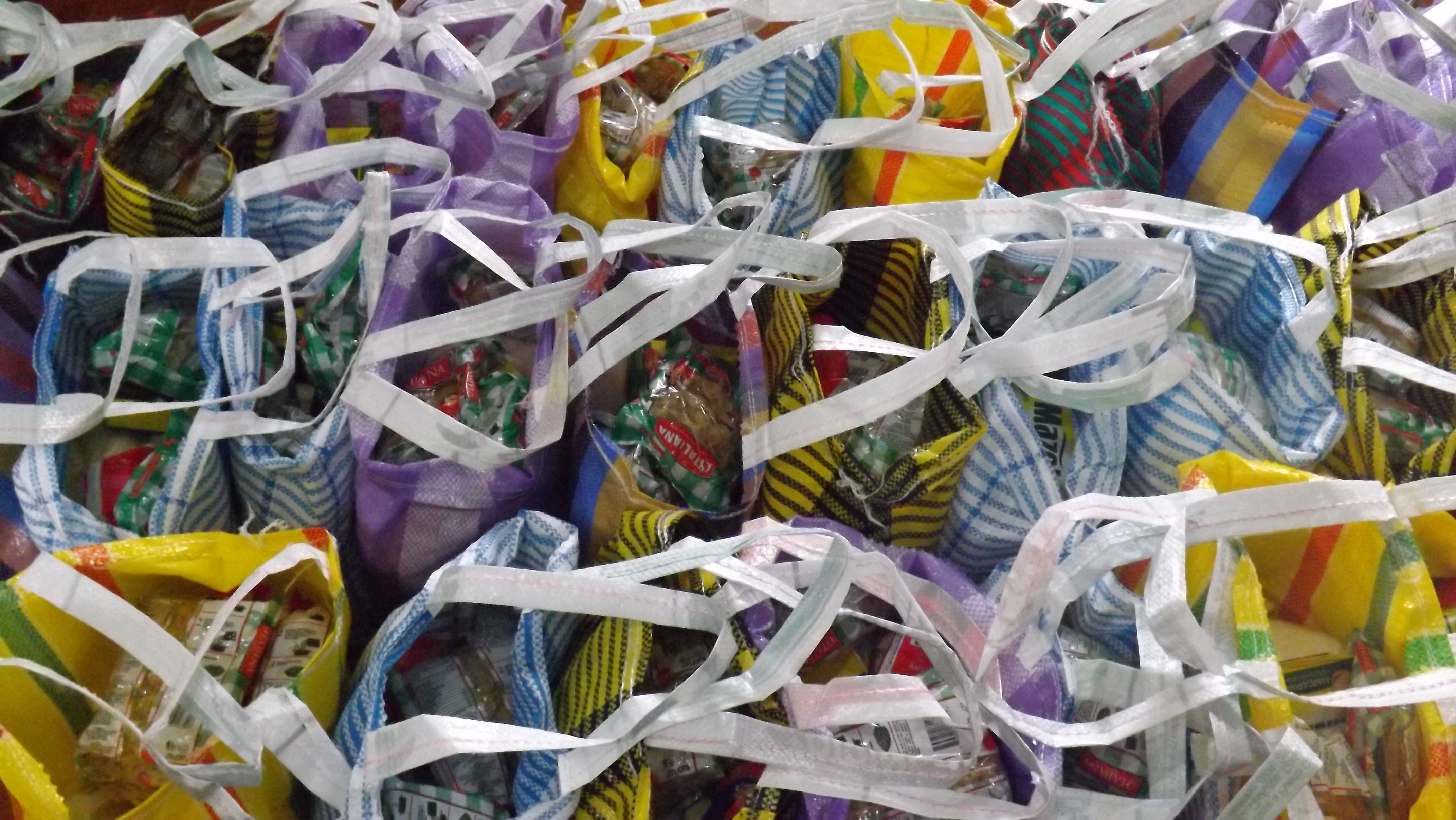
Historical, social, and economic factors have contributed to the vulnerability of indigenous populations as well. These factors can include land dispossession, limited access to education, healthcare, and economic opportunities, as well as cultural marginalization. The mission has and continues to combat this with the coffee program, as well as buying up plantation land and donating it back to indigenous people from that area. The construction program identifies those in the community who are struggling, and makes a plan to build them a house as well as for them to have land to grow their own food. The education program follows the Montessori method, with many past students becoming teachers themselves, providing knowledge and inspiration to the students as well as outsiders. Students pay 40 Quetzales, or about $5.50 to attend school for the year. This is much lower than surrounding schools, and recently 15 computers were donated to the school, enabling more equitable education for all. This year is also the first year that the number of boy students and girl students sit at an equilibrium. The charity program continues to recognize those in the community in need of nutritional support, and distributes food to the surrounding areas. The healthcare program provides quality care at a much lower rate as well. With help from the visitor program who brings in travelers to take part in these efforts, the mission is able to help over 20,000 people.
Efforts to address the exploitation of indigenous people and improve their living conditions involve a combination of legal, social, and economic measures. These may include strengthening legal protections, supporting indigenous land rights, providing education and healthcare services, and promoting cultural preservation and respect. The visitor program is a great area to look into if you the reader would like to take action. Accepting groups from all over the world, with unique backgrounds, the visitor program enables people to bear witness to the incredible culture preserved here, as well as help out in many of the surrounding communities.
Indigenous rights organizations, non-governmental organizations, and international bodies work to raise awareness and advocate for the rights of indigenous communities, but challenges remain, and it is an ongoing struggle to ensure that the rights and dignity of indigenous people are protected and respected.
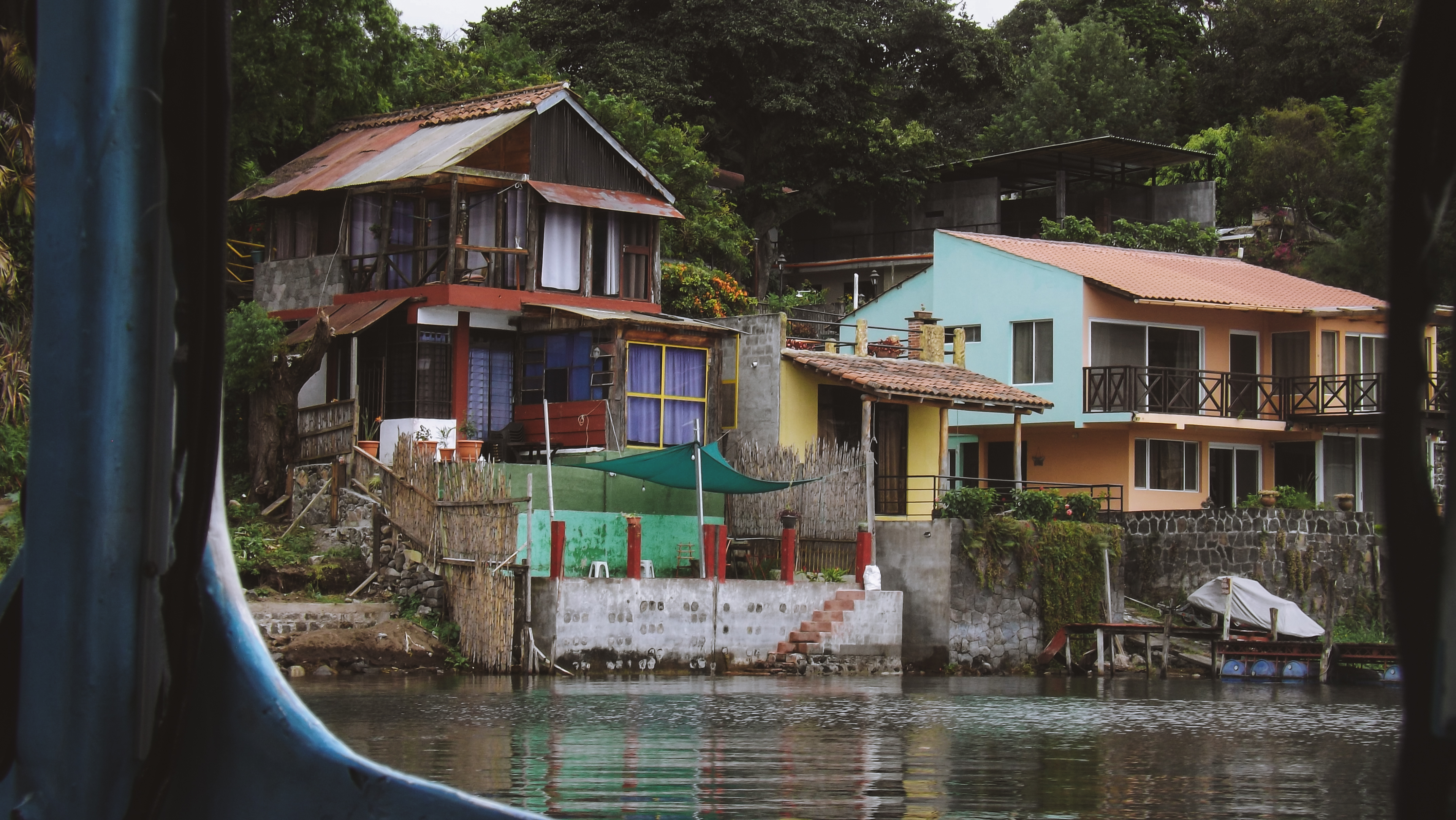
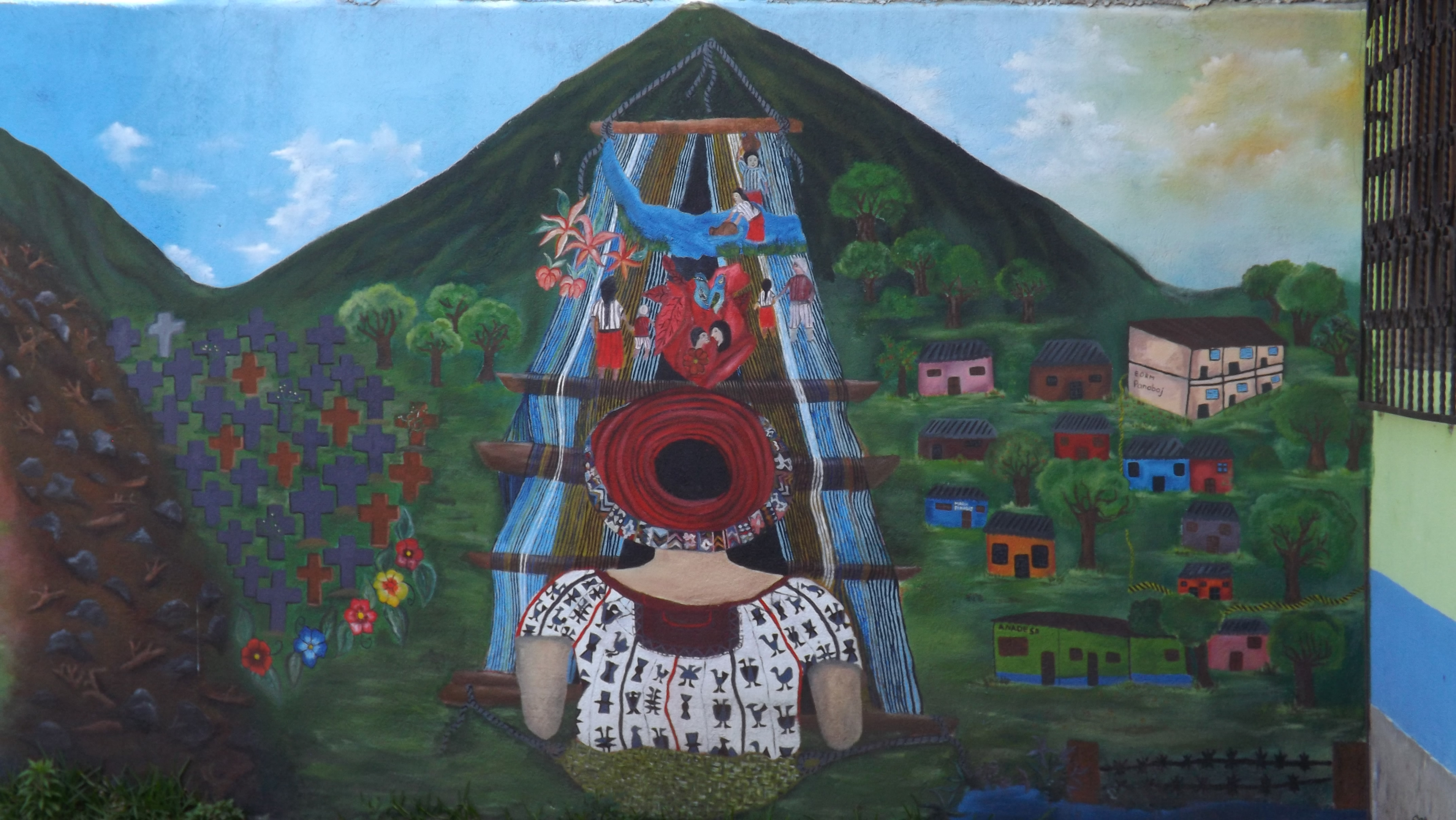
It is empowering to witness the impact of one’s actions and the difference one can make by simply learning about history and listening to first-hand accounts. For example, during a tour of the lakeside city of Santiago, Felipe, a local to the town who was about 11 years old when the government intruded on the area, shared his insights. It was in this area that many Indigenous people faced massacres during the civil war. The cruelty and inhumanity inflicted upon these individuals continue to have lasting effects, with many still remembering the hardships of that era. Strolling through the Peace Park, built in the 1990s as a tribute to and remembrance of the lives lost, the air felt heavy with the gravity of the situation.
I can’t help but reflect on my own challenges as an Ojibwe woman, and the pain and losses that Native people in North America have endured. While our struggles are not identical, they run alongside each other in parallel lines, hopefully progressing toward a shared goal of freedom, equality, and success.
My time in Guatemala is not yet over, and I’m determined to continue learning and working towards positive change. If all I have at my disposal is my voice, I will use it to raise awareness and hold my peers accountable, urging them to do the same. Traveling can provide invaluable firsthand experiences of a community’s culture and rhythm. However, if traveling isn’t an option, there are resources available that can help you further explore your passion. Linked at the end of this post are websites to learn more and go into deeper detail about the themes discussed today.

 Digital Scrapbooking