
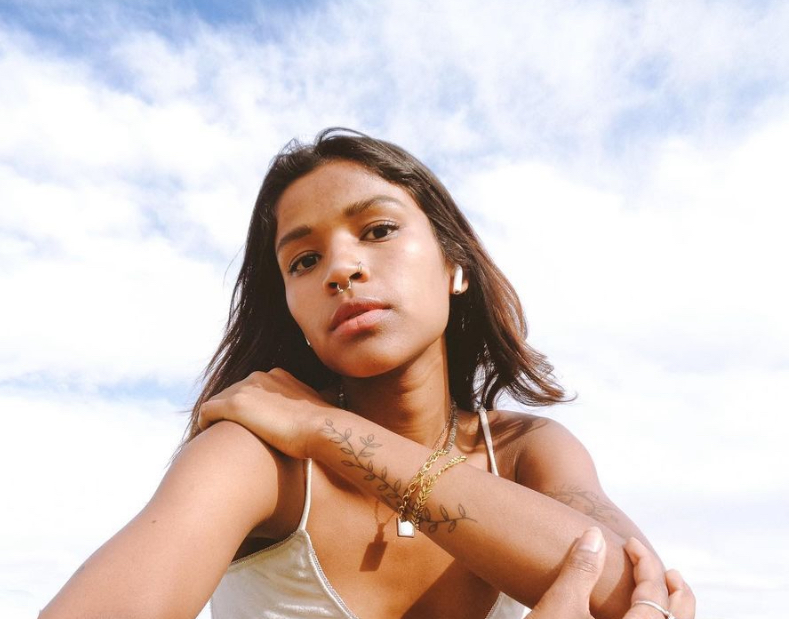
When I started this blog, I knew I was embarking on an uphill battle. The stories I aimed to share were raw, triggering, and had the potential to reshape people’s perception of me. Humans, by nature, evolve as they navigate life, learn, and adapt to different environments. I envisioned this blog as a mirror to reflect my personal evolution over time. These stories are not meant to draw pity, or sympathy, but to start conversations surrounding these themes, spread awareness, and eventually I hope to write a book recounting these experiences and the struggles so many Native people go through on this crazy journey called life. Embracing change, and sharing our vulnerabilities are powerful tools for connection and are a bridge between cultures, races, and all groups of people.
Navigating Cultural Identity
A significant shift in my life occurred in the past year—a transformation in my feelings surrounding my cultural identity as a Native American. The unique experiences that shaped me are not universal, or relatable to everyone making it challenging to articulate my narrative. At this risk of trauma-dumping, I sometimes find myself oversharing, however, I’ve come to realize that even without identical experiences, my story can still resonate with others, serving as inspiration for those contemplating sharing their own experiences.
Growing up, I had immersed myself in the rich diversity of Native culture. While ICWA (Indian Childhood Welfare Act) has many flaws, one positive is that the system really tries to preserve the culture by only placing Native children into Native homes. My adoptive family took us on many trips throughout my childhood to different reservations for powwows and family get-togethers. Powwows were a vibrant part of my upbringing—colorful regalia, rhythmic dances, and the tantalizing aroma of traditional foods. I participated, I danced, I ate the fry-bread, and earnestly attempted to absorb the age-old traditions that surrounded me. Yet, a lingering question persisted as I grew older: Does actively engaging in these cultural practices truly define one’s Native identity? Can attendance alone encapsulate the essence of being Native? Is it really measured by the ability to navigate the intricate dance of traditions and ceremonies?
As I questioned my ‘Nativeness,’ I came to the realization that cultural identity extends beyond external practices. It requires an internal dialogue, a profound understanding of the deep historical context, and a commitment to preserving those traditions and practicing them in my daily life. The journey to reconnect with my roots prompted me to explore the authenticity of my cultural identity, challenging preconceived notions and societal expectations.
As I stepped into this new era, I found myself confronting a profound paradox—finding pride amid the echoes of shame that riddled my past. The depth of struggle my own blood endured had cast shadows that, at times, seemed impossible to overcome. Foster care became a stage where the curtains revealed a play of pain, abuse, and a code of silence that sheltered the perpetrators. The hands that should have nurtured and protected were the very ones that inflicted wounds, scars that were not strictly physical, leaving a dark marr on my journey.
Reframing my narrative became an essential part of the process. Pride, I discovered, wasn’t about denying the struggles but about recognizing the victories in the face of adversity. It was acknowledging the resilience of a people who, despite enduring hardships, continued to forge ahead. My journey through foster care and the abuse inflicted by those who shared my Native heritage became a testament to the endurance embedded in the very core of my identity. It’s a pride that acknowledges the shadows but refuses to be overshadowed by them. It’s a celebration of the cultural heritage that endured because of the challenges faced, not in spite of them. In embracing this pride, I honor the legacy of my ancestors and pave the way for a narrative that transcends the shadows of the past.
Recently, I took a monumental step by officially filing to become an enrolled member of the Leech Lake Tribe. This decision, however, was not made lightly. I grappled with doubts about whether I was ‘Native enough’ and concerns about potential disapproval from my adoptive family. After years of inner turmoil and growing apart from my adoptive family, I decided it was time to reclaim my indigenous roots. I took issue with feeling like I was Native enough to struggle with the generational curses that plague my people, but not Native enough to actually claim that heritage, or benefit from services that could help me.
The process of reclaiming my identity required courage I hadn’t quite gathered in previous years. With limited information about my biological parents, the journey seemed impossible. In 2019, as I prepared to graduate high school with top honors and a shiny scholarship to the University of Washington, I reached out to my biological mother in the hopes of establishing a connection. In the months leading up to my graduation, after texting and continuing to build that bond, I had invited my biological mother to my graduation, hoping to make her proud and showcase my resilience despite our turbulent past. On the night of May 17th 2020, a sinking feeling prompted me to reach out to her again. With a simple text, “Hey, this is your daughter, how are you?” I clung to the hope of a response. None came.
The next morning, as I scrolled through Facebook, I was met with the devastating reality—mutual friends mourning her untimely death. An autopsy showed drugs in her system at the time of her passing. The weight of her overdose, with her grandkids playing in the next room, was overwhelming. Her passing fueled my determination to unravel the complexities of my past. In the wake of her death, I delved into Google searches, unearthing obituaries of my biological family members that further discouraged me.
The shame surrounding my past, the dark corners of foster care, and the abuse seemed to overshadow any semblance of pride. How could I claim pride in my heritage when the narrative was tainted with tragedy, when my own kin had suffered at the hands of those who shared our Native lineage? What pride is there in a culture where its people struggle with generational trauma, addiction, mental health, and more?
It took years for me to understand the dichotomy between the intense shame I felt, and the pride in my people for still surviving in a society that has continually failed us. I didn’t feel like I had anyone growing up to show me the Native teachings that had seemingly passed over me. There were no mentors to model myself after, no paths to follow that didn’t include substance abuse, or harmful behaviors to those around us.
After moving to Alaska last year, I found myself surrounded by Aunties of sorts. There were more Natives in Alaska than I had ever seen before— about 18% of the states population, with traditions that reflected a strong culture. My first night in Juneau, a woman approached me as I sat alone at a bar. “Wow, you look just like my daughter!” I look up from my lonely whiskey and smile at her. Her high cheekbones, beaded earrings, and dark hair like an oil slick floating in long tendrils down her back looked familiar to me too. She sits next to me, and for the next hour she shares her story. Like me, she also grew up in the foster care system, had struggled with abuse at the hands of family members, and was trying to use that pain for good. We stayed in communication that summer until I moved away, but her impact has stayed with me and left a lasting impression.
It’s stories like hers that inspire me to continue on this journey of self discovery and reclamation of my Native roots. With the paperwork filed, the wheels are in motion for me to eventually become an enrolled member. In the coming years, I hope to start dancing again at powwows. Reconnecting with my biological family and learning my history is something so imperative to my continued growth and the desire to become a ‘real’ Native. It simply isn’t enough to be enrolled, or dance at powwows, though. Through these endeavors I will hopefully learn the necessary teachings to find healing and hope within my culture and finally lay to rest the intense shame shrouding my cultural identity.
Dear reader, Miigwech, thank you for following along on this ride with me.
https://www.phoenixnewtimes.com/news/native-american-foster-children-suffer-under-a-law-originally-meant-to-help-them-8621832: What does it mean to have ‘Native Pride’? https://www.aei.org/podcast/why-the-indian-child-welfare-act-harms-children/: What does it mean to have ‘Native Pride’? Digital Scrapbooking